


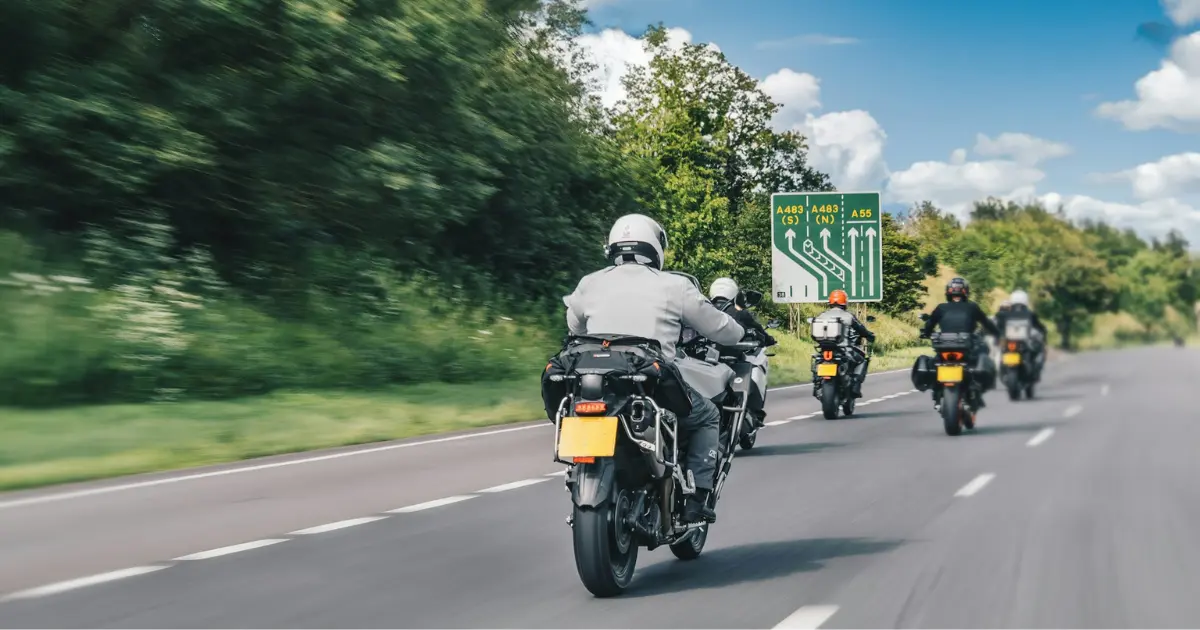
What is the A1 Licence?
The A1 is the first full motorcycle licence available to UK riders. It covers light motorcycles up to 125cc with a maximum power output of 11kW (14.6bhp) and a power-to-weight ratio no higher than 0.1kW per kg. You must be at least 17 years old to get one.
Unlike the CBT, the A1 never expires. It lets you ride without L-plates, carry a pillion passenger, and use motorways legally. For riders aged 17 and 18, it is the only full motorcycle licence available. Think of it as the bridge between provisional riding and proper licence holding, without yet opening the door to bigger machines.
We will fully cover A1 license topics, including step by step process, cost, alternatives, and the bikes you can drive with A1.
Get your CE-approved protective gear at Maximo Moto to make sure you safely enjoy your ride.
Pro Tip: Use this UK motorcycle licensing guide to understand the full process of getting a motorcycle licence in the UK.
A1 vs CBT: The Real Difference
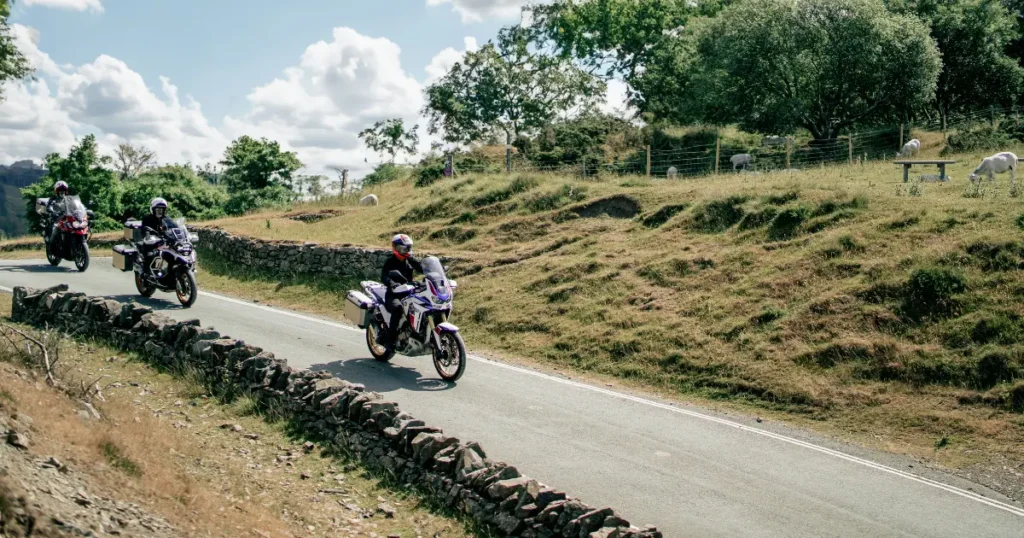
Most new riders already have a CBT when they start thinking about the A1. The confusion is understandable because both allow you to ride a 125cc motorcycle. The key differences are about freedom, cost, and commitment. Read this Reddit thread on A1 vs CBT for more information.
| Feature | CBT | A1 Licence |
| Expiry | Every 2 years | Never |
| L-plates required | Yes | No |
| Pillion passenger | No | Yes |
| Motorway riding | No | Yes |
| Max engine size | 125cc | 125cc |
| Tests required | None (training only) | Mod 1 and Mod 2 |
| Typical cost | £120 to £170 | £400 to £600 all-in |
The engine restriction is identical on both. What the table above makes clear is that the A1 is essentially a permanent CBT with extra privileges and a proper test behind it.
The CBT is cheaper upfront, but if you ride for more than two years you will keep paying to renew it. The A1 is a one-time cost that removes that cycle permanently. For a long-term 125cc rider, the maths often favours the A1.
Is the A1 Licence Worth It?
This is the question that splits the riding community and generates the most debate on forums and subreddits. The honest answer depends entirely on your age, your budget, and how long you plan to ride a 125cc.
Get the A1 if you:
- Plan to ride a 125cc long-term and want to ditch the L-plates permanently
- Want to carry a pillion passenger
- Prefer not to renew your CBT every two years
- Are under 19 and cannot yet access the A2
- Want real test experience before attempting A2 or DAS later, as the format is identical
Skip the A1 if you:
- Are 19 or older and can go straight to A2
- Only plan to ride short-term before upgrading to a bigger bike
- Are on a tight budget and want to reach A2 as quickly as possible
- Have no intention of staying on a 125cc for more than a year or two
The A1 costs around £400 to £600 all-in. If you are already 19, that money is almost always better spent on A2 training. But if you are 17 or 18, the A1 is your only route to a full licence and worth taking seriously.
Some riders also argue that going through Mod 1 and Mod 2 on a 125cc makes the same tests far less stressful when you later attempt your A2 or full A. That is a genuine benefit that does not show up in the cost comparison.
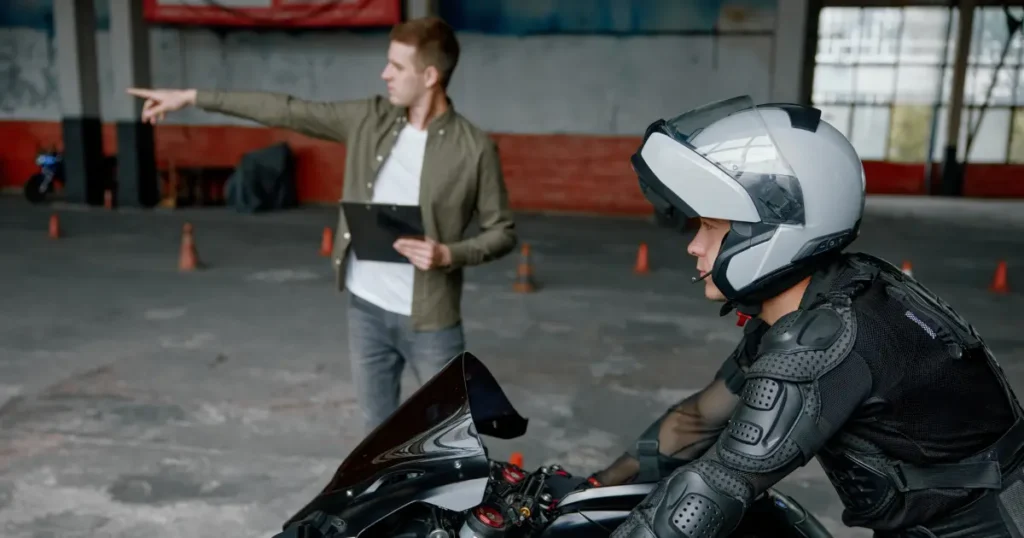
A1 Licence Requirements Before You Start
There are three things you need in place before you can book your A1 practical tests. Missing any one of them means you cannot proceed.
- A valid provisional UK licence (or a full car licence, which acts as a provisional for motorcycles)
- A valid CBT certificate (issued within the last two years)
- A passed motorcycle theory test certificate (valid for two years from the pass date)
You must take the practical test on a motorcycle between 120cc and 125cc, capable of at least 55mph, producing no more than 11kW. You can use your own bike or one provided by a training school. If you own a 125cc already, using your own machine can make the test feel more comfortable since you know exactly how it handles.
How to Get Your A1 Licence: Step by Step
Step 1: Get your provisional licence
Apply online via Gov.uk. Costs £34 online or £43 by post. Most people receive it within a week. If you already hold a full UK car licence, you can skip this step as it already counts.
Step 2: Complete your CBT
A one-day course covering basic controls, on-site training, and on-road riding with an instructor. Costs £120 to £170 depending on location and school. You receive a DL196 certificate valid for two years. You cannot book any motorcycle test without this.
Step 3: Pass the motorcycle theory test
Two parts sitting as a single session: 50 multiple choice questions with a pass mark of 43, and a hazard perception video test with a pass mark of 44 out of 75. Costs £23. Book online at Gov.uk. Study the Highway Code thoroughly and use the official DVSA revision materials.
Step 4: Pass Module 1
An off-road manoeuvres test at a DVSA test centre. Lasts around 20 minutes. Costs £15.50. Book this before Module 2 and do not book Module 2 until you have passed it.
Step 5: Pass Module 2
An on-road riding test lasting around 40 minutes. Costs £88.50 on weekdays. Must be completed within two years of passing your theory test, and within six months of passing Module 1 if you are on the progressive access route.
The whole process from zero to A1 licence typically takes between six weeks and three months, depending on test availability in your area and how much practice time you can fit in.
What the Tests Actually Involve for A1 Licence?
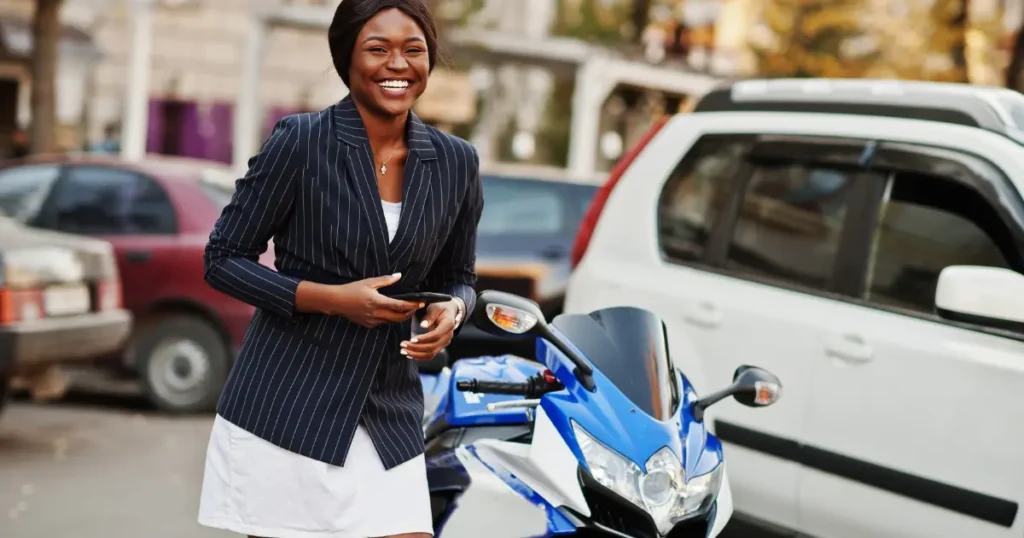
Module 1 (Off-Road)
Carried out in a test centre car park using cones. You will be assessed on your ability to control the motorcycle at low speeds and in tight situations. The examiner watches your balance, clutch control, and how smoothly you handle the bike.
You will be tested on:
- Wheeling the motorcycle and using the stand
- Slalom riding through cones
- Figure of eight manoeuvre
- Slow ride in a straight line
- U-turn within a marked area
- Controlled stop from speed
- Emergency stop from a minimum of 31mph
- Hazard avoidance exercise
You fail with one dangerous fault or more than five riding faults. Most candidates find the emergency stop and the slow ride the trickiest elements. The slow ride requires you to cover a set distance as slowly as possible without putting a foot down, which demands real clutch control. Practice this specifically before your test day.
Module 2 (On-Road)
Carried out on public roads with a DVSA examiner following behind on their own motorcycle or in a car, communicating with you via a radio earpiece. Lasts around 40 minutes. This is where your general road sense is judged alongside your bike control.
The test includes:
- Normal riding in traffic conditions
- Independent riding for around 10 minutes with no directions from the examiner
- Hill starts and normal stops
- “Show me and tell me” vehicle safety questions before you set off
You fail with one serious or dangerous fault, or more than 10 minor riding faults. The independent riding section catches many candidates off guard. You will either be asked to follow road signs to a destination or follow a sat nav route. The examiner is testing whether you can multitask safely, not whether you know the local roads perfectly.
Key rule: You must pass Module 1 before attempting Module 2. If you are upgrading through progressive access, you must pass Module 2 within six months of passing Module 1, or you will need to retake Module 1.
What Can You Ride on an A1 Licence?
Any motorcycle or scooter that meets all three of the following criteria is legal to ride on an A1 licence:
- Engine capacity up to 125cc
- Power output no more than 11kW (14.6bhp)
- Power-to-weight ratio no more than 0.1kW per kg
The market for A1-legal bikes is large and genuinely good. You are not stuck with slow, ungainly machines. Popular choices include the;
- Honda CB125R for build quality and reliability,
- the Kawasaki Ninja 125 for riders who want a sporty feel,
- the Yamaha XSR125 for a retro aesthetic with modern engineering, and
- the Aprilia RS 125 for those chasing a race-inspired riding position.
One restriction worth knowing: If you take your A1 test on an automatic motorcycle or scooter, you are restricted to automatic-only machines after passing. Take the test on a manual gearbox bike and you can ride both manual and automatic.
If you have any intention of ever riding a manual, take the test on a manual from the start.
Can You Skip the A1 and Go Straight to A2?
Yes. You do not need an A1 licence to get an A2. At age 19 or older, you can go directly from your CBT to an A2 licence using the direct access route. You will need a valid CBT certificate, a passed motorcycle theory test, and to pass both Mod 1 and Mod 2 on a bike producing between 20kW and 35kW.
Many riders take this route and never hold an A1 at all. It is perfectly legal and often the more practical financial decision for anyone who is already 19 when they start riding.
Upgrading from A1: Your Options
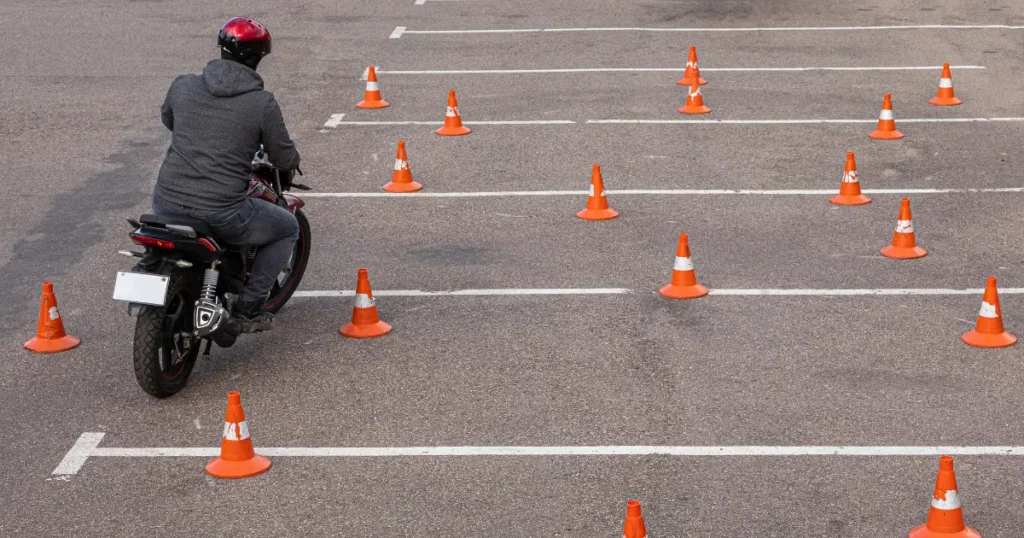
Once you hold an A1, there are two clear routes forward. Understanding both helps you plan your licence journey properly rather than making expensive decisions on the fly.
Progressive Access
Hold your A1 for two years, then retake Mod 1 and Mod 2 on the next engine size up. If your theory test certificate is still valid, you do not need to retake it. This route rewards patience with an earlier path to full unrestricted riding.
A1 (hold for 2 years) → A2 (hold for 2 years) → Full A licence
Starting at 17, this route gets you a full unrestricted A licence at 21. The direct access route requires you to be 24. That three-year difference is significant for riders who know they want to be on big bikes eventually.
Direct Access Scheme (DAS)
Allows you to skip licence levels and go straight to the highest category your age permits. The table below shows what is available at each age.
| Age | Highest Licence Available via DAS |
| 17 to 18 | A1 only |
| 19 to 23 | A2 |
| 24 and over | Full A (unrestricted) |
The DAS route makes most sense for riders who come to motorcycling later in life. If you are 24 or older with no prior riding experience, you can go from CBT to a full unrestricted licence without touching the A1 or A2 categories at all. Training costs for DAS to get a full A licence start from around £690 to £1,150 depending on the school and your experience level going in.
For riders under 24, the age limits are fixed and non-negotiable. No amount of training or money changes the minimum age requirements set by the DVSA.
How Much Does A1 Licence Cost?
Getting an A1 is not just the cost of two test fees. The table below shows all the costs you should budget for before you start.
| Item | Cost |
| Provisional licence (online) | £34 |
| CBT | £120 to £170 |
| Theory test | £23 |
| Module 1 | £15.50 |
| Module 2 | £88.50 |
| A1 training course | £300 to £400 |
| Estimated total | £400 to £600 |
The training course fee is the biggest variable in this table.
Schools charge differently depending on location, whether they provide a bike, and how many hours of instruction are included. London and major city schools tend to cost more than rural alternatives.
Some riders who already own a 125cc and put in serious practice time manage to pass with minimal paid instruction, bringing their total closer to £150 by covering only the test fees. That approach works for confident learners but is not recommended if you have limited riding experience going into Mod 1.
Resits cost the same as the original tests, so factor in the possibility of a failed attempt when budgeting. Failing Module 2 and needing a resit adds another £88.50 minimum, plus any additional training time your school charges.
Use this link for more information.
FAQs
Can I ride a 600cc on an A1 licence?
No. An A1 licence restricts you to motorcycles up to 125cc and 11kW. A 600cc motorcycle requires at least an A2 licence, and many 600cc bikes require a full A licence due to their power output exceeding 35kW.
Can I do my A1 without a CBT?
No. A valid CBT certificate is a mandatory requirement before you can take the A1 practical tests. There are no exceptions to this rule.
Do I need to pass my theory before my A1 bike test?
Yes. You must hold a valid motorcycle theory test pass certificate before booking Module 1 or Module 2. The theory certificate is valid for two years from your pass date.
Is the A1 harder than the A2?
The tests are identical in format and structure. The only difference is the size of the bike used on test day. Most riders find A2 training takes more adjustment time simply because the bike is heavier and more powerful, but the test itself is no more complex.
Can I go straight for my A1 licence without any riding experience?
Yes, but you still need to complete the CBT first, which provides foundational riding training. Most training schools recommend solid practice time before attempting Module 1, particularly on the slow ride and emergency stop exercises.
Why is the A1 limited to 55mph?
The DVSA requires the test bike to be capable of at least 55mph to confirm it is road-legal and suitable for national speed limit roads. It is a minimum capability requirement for the test bike, not a speed limit imposed on the rider after passing.
How much is A1 training?
Training course fees typically range from £300 to £400. Add the theory test at £23, Module 1 at £15.50, and Module 2 at £88.50, and most riders spend between £400 and £600 in total. Riders who already own a 125cc and self-train with YouTube and private practice can spend significantly less.
Is the A1 licence the same as a CBT?
No. The CBT is a training course that expires after two years and requires no formal test. The A1 is a full motorcycle licence with no expiry date, obtained by passing Mod 1 and Mod 2 under DVSA examination conditions. The A1 also gives you additional privileges the CBT does not, including pillion riding, motorway access, and no L-plates.
Can I ride a 250cc on an A1?
No. A 250cc motorcycle requires at least an A2 licence. The A1 is strictly limited to 125cc and 11kW regardless of how long you have held the licence.
What is the best A1 bike?
There is no single answer, but consistently well-regarded options include the Honda CB125R for build quality, the Kawasaki Ninja 125 for sport-oriented riders, and the Yamaha XSR125 for those who want retro style with modern reliability. Your choice should depend on how you plan to use the bike, your budget, and your preferred riding position.
Disclaimer: This information is for educational purposes only. Licensing rules can change. Always verify current requirements with the DVSA before booking any test or training.
