


Every rider knows their bike’s torque figure. Most can quote the seat height from memory. But ask them what insurance group their machine sits in, and you’ll get a blank stare. That single number, quietly assigned by underwriters before your bike ever reached a showroom, will determine whether your annual premium is £400 or £1,800.
Understanding motorcycle insurance groups in 2026 is no longer optional. Premiums are rising. Parts are expensive. And the group system is currently the most reliable tool riders have for finding genuinely affordable cover before signing anything.
The Scale Nobody Told You About
UK motorcycle insurance groups run from 1 to 22. Group 1 is the cheapest. Group 22 is reserved for machines that cost a small fortune to repair, replace, or recover from a hedge.
The first thing to get straight: the motorcycle insurance group list UK riders use is completely separate from the car insurance system. Cars run on a 1 to 50 scale. Bikes use 1 to 22. Comparing them is like comparing lap times at different circuits. The numbers mean nothing across systems.
The Association of British Insurers oversees the rating framework. Each bike gets assessed and dropped into a group based on several factors. That group follows the machine, not the rider. Your experience level, your postcode, your age — those affect your premium. But the group is the bike’s permanent classification.
How Motorcycle Insurance Groups Are Calculated
The technical formula behind insurance groups for motorcycles involves more variables than most riders realise.
Power-to-weight ratio
A lightweight 600cc sportsbike producing 120bhp is rated very differently from a 1250cc touring machine producing similar output. How that power is delivered, and how easy it is to misuse, feeds directly into the group calculation.
Repair costs
This is the fairing factor. Modern bikes carry radar modules, TFT displays, cornering ABS, and electronics that require specialist labour. A minor low-speed tip on a fully-faired machine can trigger a £2,000 repair bill before any structural damage is assessed. Those costs go straight into the group rating. It is a significant reason why motorcycle insurance groups look higher than they did five years ago.
Theft statistics
Bennetts’ current data shows urban theft of lightweight bikes is still climbing. Some 125cc models sit in surprisingly high groups precisely because they are stolen constantly. This catches new riders off guard when they check the motorcycle insurance group checker expecting a low number and find something mid-range instead.
Security devices play a crucial role here. Check this guide on the best motorcycle security devices for insurance in the UK.
Market value
The original RRP matters. So does the current used market price. A bike that holds its value stays rated higher for longer. One that depreciates quickly may drop a group as the years pass.
The 2026 Group List: Where Real Bikes Actually Sit
Here is where the motorcycle insurance group list becomes practical. These placements reflect broad market consensus. Individual insurers may vary by one group in either direction.
Here are some bikes for different groups. The list is not exhaustive.
| Group | Bikes | What it means |
| 1–5 | Honda CB125F, Yamaha YS125, Piaggio Fly 125, check more beginner-friendly bikes here. | Learner legal, low cost. A1 territory. |
| 6–10 | KTM 390 Duke (Grp 7), Royal Enfield Interceptor 650 (Grp 9), Honda CB500F (Grp 8) | The A2 sweet spot. Affordable for riders over 21. |
| 11–15 | Suzuki SV650 (Grp 11), BMW R1250RT (Grp 12), Yamaha MT-07 (Grp 13) | Middleweight and touring. Premiums depend heavily on the rider profile. |
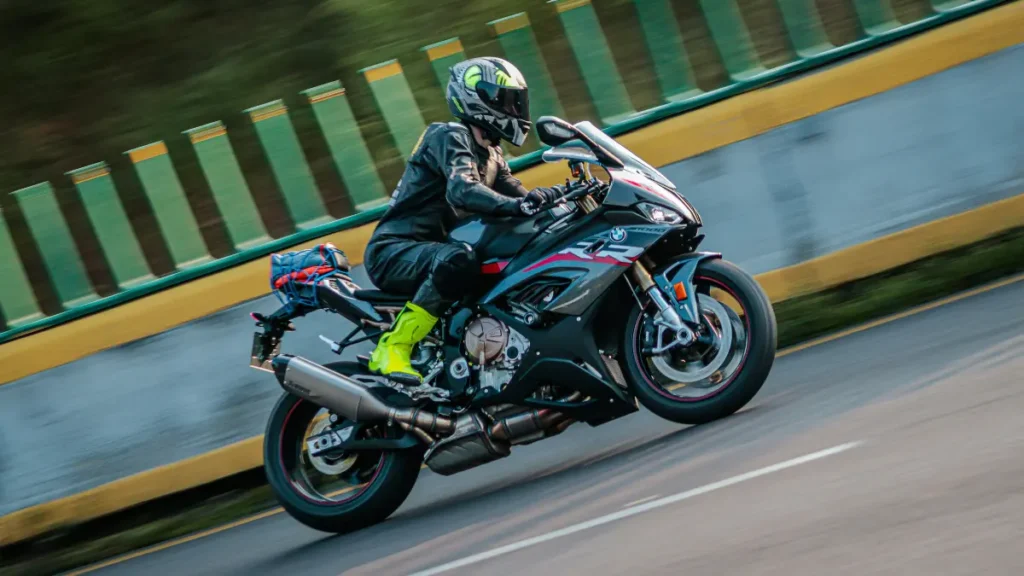
| 16–22 | BMW S1000RR (Grp 19), Ducati Panigale V4 (Grp 20), Kawasaki Ninja H2 (Grp 22) | High performance. Budget accordingly. |
Five bikes worth examining in detail:
KTM 390 Duke— Group 7. A2 compliant, widely serviced, parts available at reasonable cost. For riders in their early twenties, this is one of the more sensible entry points into naked bike ownership. Group 7 keeps annual premiums competitive across most of the UK.
Royal Enfield Interceptor 650— Group 9. A parallel twin with real character. Theft rates are lower than average for a 650cc machine, and the rider demographic tends toward experienced, unhurried riding. Group 9 is comfortable territory. For riders over 25, comprehensive cover can still sit well under £700 in most areas.
Suzuki SV650 — Group 11. Arguably the best value middleweight on the used market. Parts are widely available, mechanics know the engine well, and repair costs are modest by current standards. Group 11 is manageable for most riders over 25 who hold one year’s no claims.
Check out more affordable touring motorcycles under £5000 in the UK here.
BMW R1250RT — Group 12. A 1254cc tourer in Group 12. That sits lower than many 600cc sportsbikes. The reason is statistical. Touring riders have fewer accidents, make fewer claims, and the insurer’s data supports a more generous rating. It is one of the clearest examples of how different motorcycle insurance groups work in practice.
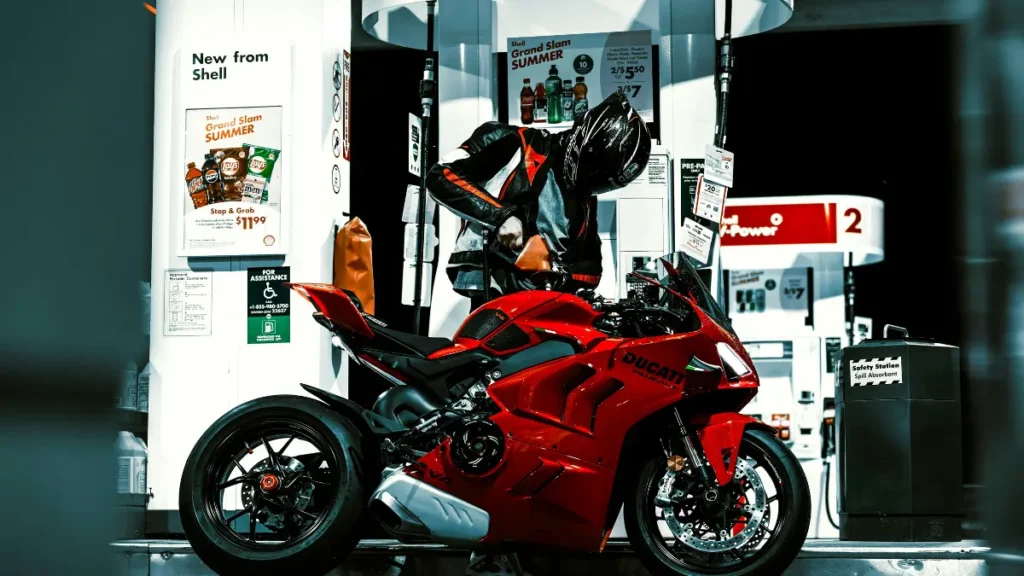
Ducati Panigale V4— Group 20. High repair costs, strong theft demand, extreme performance figures. The group reflects all three. Honda motorcycle insurance groups for sports models tell a similar story — raw CC is not the only driver.
The Forum Paradox: Why Some Ratings Make No Sense
The question appears regularly on motorcycling forums. Why is a 400cc naked in the same insurance group as a 1250cc tourer?
The answer is underwriter logic, not engine displacement.
The BMW R1250RT attracts experienced riders, typically in their forties, covering long motorway miles in daylight hours. Many hold IAM or RoSPA qualifications. The claims record is historically clean.
A trendy urban 400cc naked attracts a different demographic entirely. City riding means traffic incidents. Younger average rider age means less experience. The machine is small, but the risk profile of who typically rides it pushes the group upward.
Because underwriters apply their own claims data, the same bike can carry different premiums across providers — which is why comparing the top motorcycle insurance companies in the UK is worth doing every single renewal.
Licence Tiers and Group Reality
Your licence level creates a direct financial relationship with the group system.
A1 licence (17+)
Restricted to 125cc, maximum 11kW. That locks you into Groups 1 to 5. For insurance group 1 motorcycles and bikes up to Group 5, annual premiums under £1,000 are achievable for most riders without serious convictions.
For a full breakdown of costs, test requirements, and the best 125cc bikes to consider, the UK A1 licence guide covers everything you need before booking your CBT. THis AM Motorcycle License Guide can also help you decide the 125cc vs moped contest.
A2 licence (19+)
Here is where the real trap appears.
The A2 licence permits bikes up to 35kW. You can ride a native A2 machine like the Honda CB500F, which sits at Group 8, or you can ride a restricted 600cc sportsbike. The problem is that insuring a restricted 600cc places you in a higher insurance group — the group of the unrestricted model. A restricted Yamaha R6 remains a Group 15 bike regardless of the restrictor kit.
The motorcycle insurance group difference between a native Group 8 bike and a restricted Group 15 machine can cost £600 or more annually for a 21-year-old rider.
Full A licence
With full access comes full group exposure. Moving straight from Group 9 to Group 17 is legal. But without a no claims bonus on a larger machine, insurance group 17 motorcycle premiums can exceed £1,500 in urban postcodes for first-time full licence holders.
For a complete picture of how the licensing progression works from CBT to full Direct Access, the full UK motorcycle licences guide is the clearest reference available
Coverage Types and Their Group Interaction
Cover level changes the premium calculation without touching the group itself.
Third-Party Fire and Theft is often the most expensive option for high-theft group bikes. The logic is straightforward. TPFT claims are almost always theft claims. If a specific model gets stolen repeatedly, the insurer prices that risk sharply into TPFT. Comprehensive cover, counterintuitively, can be cheaper for these bikes because insurers view riders who choose comprehensive cover as lower-risk customers overall.
Third-Party Only is the legal minimum. For low-group bikes with low market value, it can make sense. For anything in Group 12 and above, the risk of riding unprotected against fire and theft is worth calculating carefully.
How to Lower Your Premium in 2026?
The group is fixed. The premium has room to move. Here are some ways to lower your motorcycle insurance premium.
Fit a Thatcham tracker
For Group 15 and above, many insurers now treat a Thatcham S5 or S7 tracker as a baseline expectation. Fitting one proactively reduces premiums by up to 20 percent with some underwriters. It also increases recovery odds significantly.
Take advanced training
IAM Roadsmart and RoSPA qualifications produce discounts of 5 to 15 percent. Some insurers apply it automatically at renewal. Others require a declaration. Always declare it. The discount is real, and the training genuinely improves your riding.
Increase your voluntary excess carefully
Raising voluntary excess from £150 to £400 can lower premiums on Group 10 and above bikes. Only do this if you can cover that figure without stress. Filing a claim while scrambling to fund the excess is a situation worth avoiding entirely.
Security matters on paper
A ground anchor, a quality chain, and a disc alarm provide visible deterrence. Insurers ask about home security arrangements. A strong answer can influence pricing at renewal.
Electric Bikes, Classics, and Trikes
Electric motorcycles carry high insurance groups despite their modest performance figures. Battery pack replacement and specialist workshop costs push most current models into Groups 10 to 18. The Zero SR/F sits around Group 14. As the used market develops and parts availability improves, ratings may ease.
Classic bikes over 30 years old often exit the standard group framework entirely. Specialist insurers offer agreed-value flat-rate policies — for a full breakdown of how classic motorcycle insurance works and what to look for in a policy, this guide covers the key differences from standard group-rated cover.
Trikes sit outside the motorcycle group system altogether. They’re classified as motor tricycles and handled by specialist underwriters on individual terms.
Check Before You Buy
Motorcycle insurance groups vary between insurers. The rating framework is consistent, but how individual companies apply their own claims data means the same bike can carry different premiums across different providers.
The smartest move any rider can make is to run a motorcycle insurance group checker, like Thatcam group ratings or GoCompare, and get at least three live quotes with their actual details before committing to a deposit. The group tells you which ballpark you’re in. The quote tells you the real number.
Check the group first. Then buy the bike.
FAQs
Is motorcycle insurance group 9 considered expensive?
No, Group 9 is a mid-range “budget-friendly” category. It typically includes A2-compliant bikes like the Royal Enfield Interceptor 650. For riders over 25, premiums are usually very competitive.
Can I ride a 600cc motorcycle on an A2 licence?
Yes, provided it is restricted to 35kW (47bhp) and its original power was not more than 70kW. Note: Insuring a restricted 600cc will place you in a higher insurance group than a native 400cc bike.
What is the cheapest motorcycle insurance group in the UK?
Group 1 is the cheapest. This group is almost exclusively for 50cc mopeds and low-powered 125cc commuter bikes with low market values.
Does engine size (CC) always dictate the insurance group?
No. A 1250cc BMW R1250RT is often in a lower group (Group 12) than a 600cc Yamaha R6 (Group 15+) because touring riders have fewer accidents statistically than sports bike riders.
Can I skip the A1 licence and go straight to A2?
Yes, via the Direct Access route if you are 19 or older. You must pass your CBT, Theory, and Practical tests on a 395cc+ bike.
Is insurance group 17 expensive for a first-time big bike rider?
Yes. Group 17 is the “high performance” threshold. For a new rider with no No Claims Bonus (NCB), premiums can easily exceed £1,500 in urban areas.
Should a beginner start on a 600cc motorcycle?
Financially, no. Starting on a bike in Groups 1–5 (125cc) or Groups 6–10 (300-500cc) allows you to build a No Claims Bonus, which makes the jump to a 600cc bike (Group 14+) much cheaper in year two.
