


Every rider knows the NC500. Most have heard of Hardknott Pass. But mention the Atlantic Highway and you get a split room.
That gap in reputation is hard to explain. The A39 throws in two genuine 1 in 4 climbs, a ten-mile moorland ledge ride above the Atlantic, and drops you into Cornwall through coastal gorges that feel nothing like the rest of Britain.
This is a guide for riders planning it properly. The sections that matter, the hazards worth knowing, and the detours that make the difference. Before you go, make sure your gear is ready. Maximo Moto carries CE-approved jackets, gloves, and boots built for exactly this kind of riding.
Check the touring guide to top motorcycling routes in the UK here.
What Is the Atlantic Highway and Is It Worth Riding?
The A39 is a long-distance A road running from Bath in Somerset all the way to Falmouth in Cornwall. In 1988, tourism authorities covering North Devon and North Cornwall rebranded a stretch of it the Atlantic Highway. That official designation runs from Barnstaple in Devon down to Fraddon, just west of Newquay in Cornwall.
So yes, the A39 is the Atlantic Highway. The two names refer to the same road.
Is it worth riding? Absolutely. But go in with the right expectations. This is not a fast road. It is not a track day road. It is a route that constantly changes character, rewards patient riders, and punishes anyone who assumes coastal means easy.
The route is best suited to adventure bikes and middleweight tourers. Sports bikes will enjoy the technical sections but may find the slower stretches behind caravans and farm vehicles genuinely frustrating, especially in summer.
Atlantic Highway UK Route Map: Key Waypoints
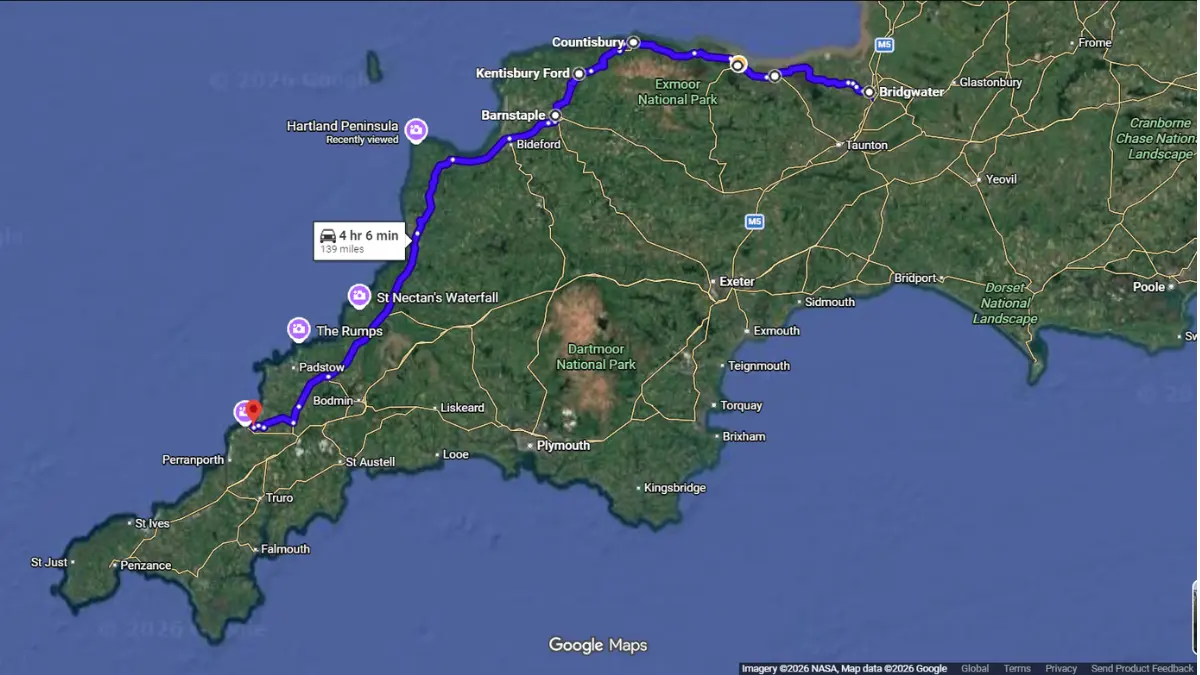
Before getting into the sections, here is the route north to south. Use this as your reference:
Bridgwater (Somerset) → Watchet → Dunster → Porlock → Lynton → Barnstaple → Bideford → Fairy Cross → Bude → Widemouth Bay → Boscastle → Tintagel → Wadebridge → Padstow → Newquay
The official Atlantic Highway starts at Barnstaple. Starting from Bridgwater adds roughly 50 miles and, as you will read below, some of the finest riding on the entire route.
The Somerset Approach: Bridgwater to Barnstaple
Pick up the A39 in Bridgwater and the road quickly sheds its A road personality. Through the northern slopes of the Quantock Hills it narrows to something closer to a country lane, heavily shaded, bend after bend, good tarmac and very little traffic. It is excellent riding.
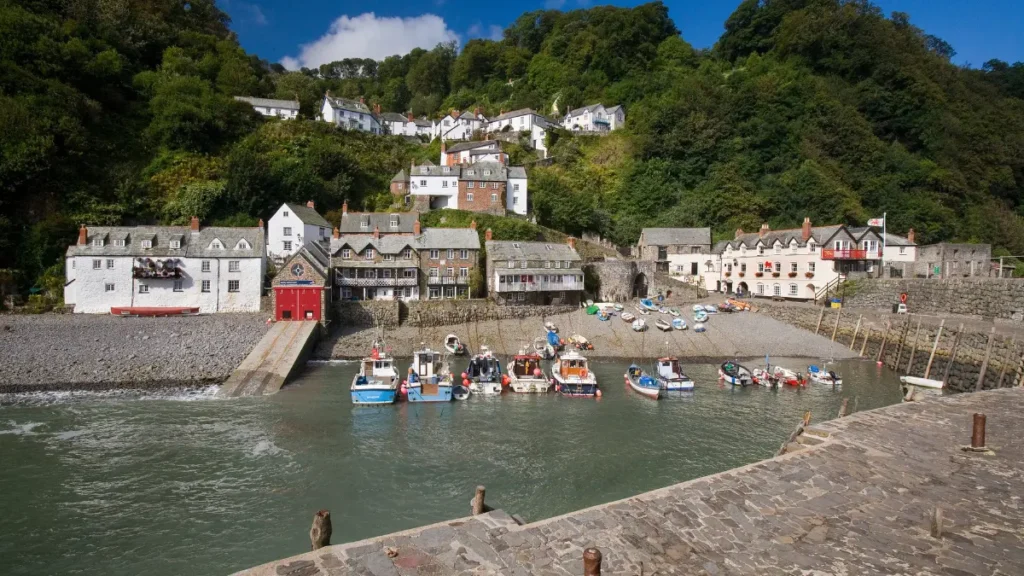
At West Quantoxhead the trees fall away and the road opens across a wide valley toward Exmoor. Take the small detour to Watchet, a working tidal harbour with a proper boatyard and none of the marina polish you find further along the coast. It takes twenty minutes and it is worth it.
Dunster follows. Medieval village, castle on the hill, good coffee. Easy parking for bikes and a natural first stop if you have started early.
Then comes Porlock Hill.
The warning signs are not exaggerating. One-in-four gradient, 25 percent, tight bends that push you down to first gear. Caravans and nervous car drivers use the toll road that skirts around it. Motorcycles pay £1 to use the toll road too. Ride the hill. Then consider riding the toll road as well, just because it is there. The views from the top of Porlock Hill looking back toward the Bristol Channel are worth the climb from either direction.
Countisbury Hill is next. Another 1 in 4, dropping into Lynton. There are parking bays cut into the hillside on the descent. Stop in one. Look back. This is the kind of view that makes you forget you were in a hurry.
Between these two climbs the A39 runs along a moorland ledge at the edge of Exmoor. The sea sits to the right. To the left, wild ponies graze above dark wooded valleys that drop away out of sight. This stretch runs for nine or ten miles and it is one of the finest pieces of road in South West England. The bends have open sight lines and the road dips and rises constantly. It rewards smooth riding and punishes impatience.
One important note on the surface: gravel wash across bends after rain is common on this section, especially early in the season. Check conditions before you head out.
Barnstaple to Bude: The Official Atlantic Highway Begins
After the climb out of Lynton the A39 swings inland toward Barnstaple and Bideford. The road widens and the character changes. Less technical, faster progress. Use this stretch to make time before the detours start pulling at you.
Fairy Cross sits on the A39 between Bideford and Bude. It is a small village that marks roughly where the road starts pulling back toward the coast. Worth noting on your map as a waypoint.
Three detours from this section are worth planning for.
The first is the coast road through Combe Martin, Ilfracombe, and Woolacombe. It adds time but the clifftop views justify it on a clear day.
The second is the Hartland Peninsula. Local Devon riders call the roads around Hartland “the twisties,” and for good reason. Hairpin bends, dramatic cliff roads, and very little traffic. The village of Hartland runs a hill climb twice a year in association with the NHCA. If you can time a visit around it, do.
The third is the A388 from Holsworthy to Bideford, which pairs well with the A39 for a local loop that Devon-based riders use regularly.
Back on the main route heading south, a word of honest warning. Several sections between Barnstaple and Bude carry double white lines. Overtaking opportunities exist, but they require patience. The A39 is significantly quieter than the A30, which takes most through traffic straight down the middle of Devon and Cornwall, but farm vehicles are year-round companions and caravans appear in serious numbers from June onward. Mid-week riding is a different road to a bank holiday Saturday.
Bude is the natural stop at the end of this section. Summerleaze Beach, a saltwater sea pool, and a decent high street. The Lock Gates Tea Rooms at the Bude Canal car park runs a bike night every second Wednesday evening. If your timing lines up, it is a good way to meet riders who know the area well. Fill up with fuel here before pushing on into Cornwall. The options thin out on the next section.
Bude to Newquay: Atlantic Highway Cornwall
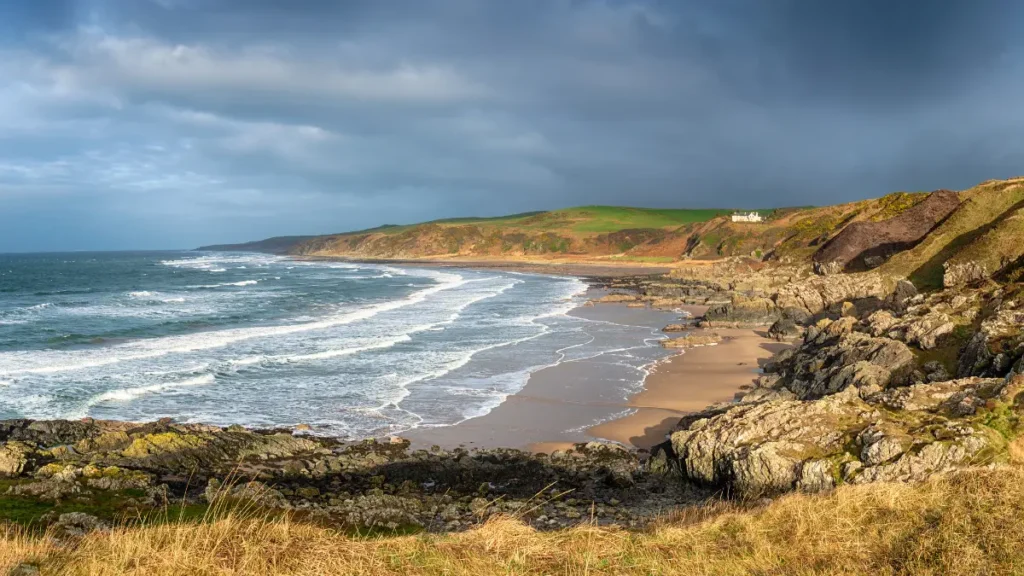
Cross into Cornwall at Bude and the road changes mood again. The Atlantic Highway Cornwall section is slower, narrower in places, and more dramatic than anything that came before it.
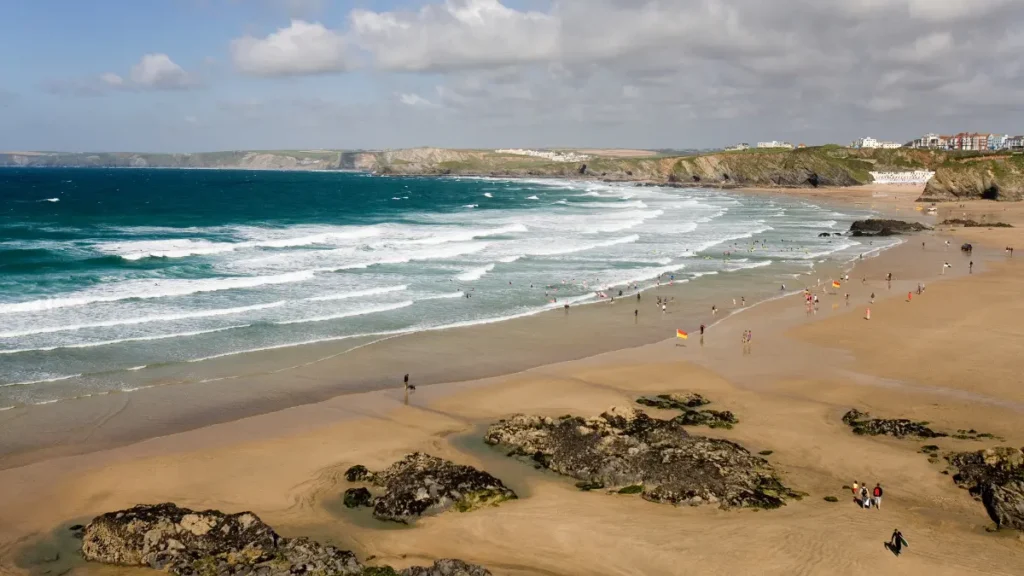
The coastal gorges between Bude and Boscastle are steep and the roads through them require concentration. Widemouth Bay is worth a five-minute stop even if you do not get off the bike. Wide beach, surf vans, a completely different atmosphere to North Devon.
The small bays at Millook, Crackington Haven, and Boscastle are genuinely unspoiled. Isolated, cliff-framed, and easy to miss if you are focused on making progress. Boscastle has a cafe near the harbour that is worth the short detour.
Willow Valley sits just off the A39 near Bude and offers a wooded detour that local riders use to break up the coastal section. Quiet, shaded, and a good contrast to the exposed cliff roads.
Tintagel deserves at least 45 minutes. King Arthur’s castle, Merlin’s Cave accessible via a bridge over the Atlantic. It is a steep walk but the views repay it. The castle is clearly signposted from the A39.
Wadebridge is the sensible fuel and food stop in the Cornwall section. The town sits on the Camel Estuary and the A39 runs straight through it. Do not skip the fuel stop here if you are running low.
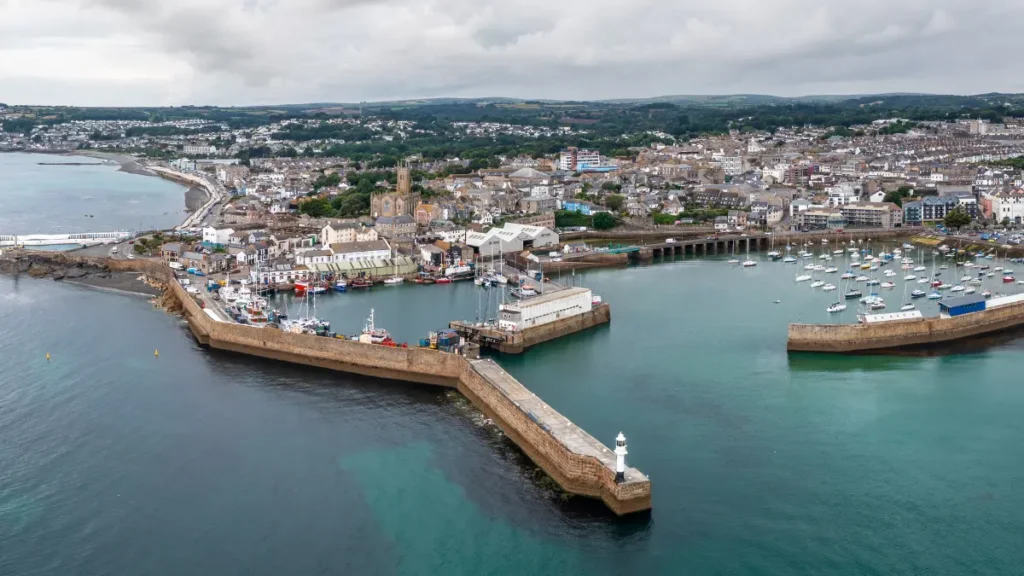
Padstow follows. Harbour town, seafood restaurants, busy in summer. The B3276 from Padstow to Newquay makes a strong finishing leg with coastal views that close out the ride well.
Newquay is the logical end point. Fistral Beach, surf culture, and plenty of accommodation if you are making this a weekend Atlantic Highway road trip. The town is livelier than most places along the route and a decent contrast to the quiet bays that came before it.
Road Character: What Riders Actually Need to Know
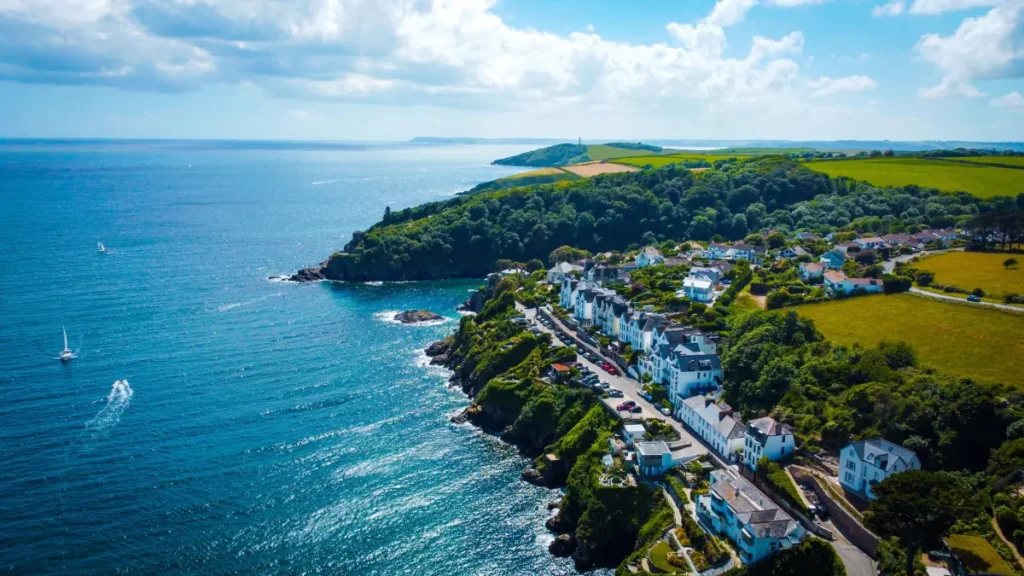
There are things you need to know before you start on this ride. It will help you move through the tour and give you a rich experience.
Surface
Varies considerably along the route. The Somerset and Exmoor sections can carry gravel after rain. Minor detour roads in Cornwall have older tarmac. The main A39 surface is generally good but worth checking after a wet week.
Gradients
Porlock Hill and Countisbury Hill are both genuine 1 in 4. In wet conditions they demand full attention and progressive braking inputs. Do not underestimate them.
Overtaking
Double whites exist on key sections. Farm vehicles and caravans are the main obstacles. Patience over heroics, every time.
Wildlife
Exmoor ponies wander close to the road on the moorland ledge section. Deer appear near the wooded valleys. Dawn and dusk demand extra caution.
Traffic
Worst in July and August on weekends. Mid-week in June or September is a different experience altogether.
When to Ride, Fuel Stops and Practical Info
Best time
Late May, June, and September. Good weather, long daylight, and caravan traffic significantly reduced compared to peak summer. The Atlantic Highway in winter is manageable but the Exmoor sections can ice up on the Porlock and Countisbury hills. Experienced riders only in cold conditions.
Time to ride
Barnstaple to Newquay without stops runs two to two and a half hours. With the Somerset approach from Bridgwater and a full set of detours, allow a complete day. A weekend gives you room to ride it properly.
Fuel stops
Bridgwater, Minehead, Barnstaple, Bideford, Bude, Wadebridge, Newquay. Leave Bude with a full tank heading into Cornwall.
Cafes and food
Bude has the widest choice before the route thins out. Boscastle harbour cafe is solid. Padstow and Newquay offer the most options at the southern end.
Accommodation
Lynton, Barnstaple, Bude, Padstow, and Newquay all have options for a weekend stop.
Explore this guide for such services along the Atlantic Highway A39.
Connecting the A39 to a Longer South West Tour
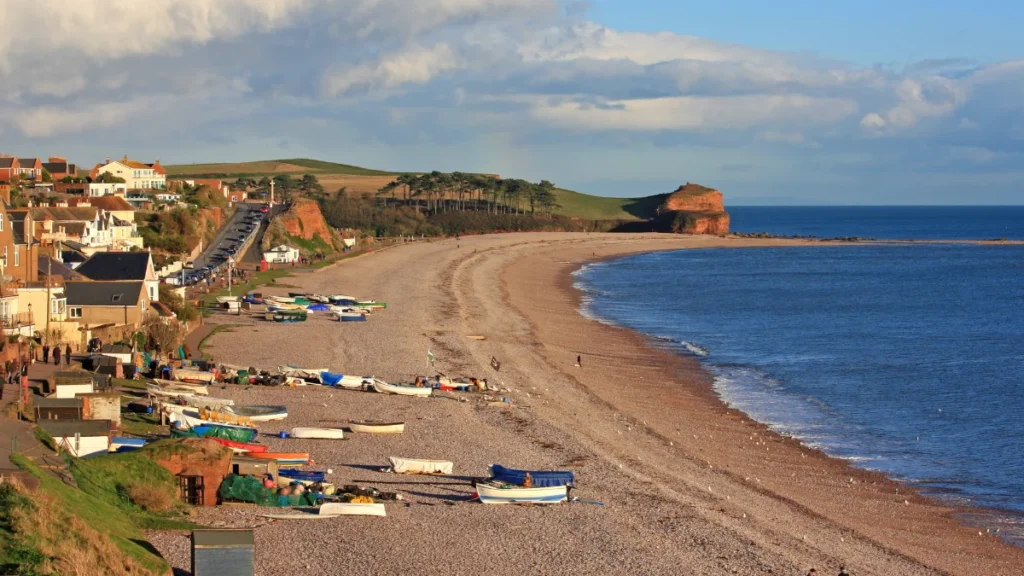
The Atlantic Highway works best as a spine, not a standalone ride. Several roads connect naturally with it.
The A399 from Combe Martin across Exmoor to South Molton has barely a straight on it. Exceptional. The B3212 across Dartmoor from Moretonhampstead is the best scenery in Devon according to riders who ride the region regularly. The A396 from Dunster to Tiverton makes a quieter inland return leg for anyone starting from Somerset.
For a multi-day South West tour, add the B3306 from St Ives to Land’s End as a final day. It is Cornwall’s best road and a fitting end to a route that started in Somerset.
The Road Earns Its Name
The Atlantic Highway is not one road. It is six or seven different riding experiences running under one route number. The competitors all describe it as gentle coastal cruising. Some sections are. Others will test you properly.
Ride Porlock Hill in first gear, pull into a bay on Countisbury, and sit for a moment on that Exmoor ledge with the Atlantic below you and the moorland above. Then tell someone it is a gentle cruise.
Pick a clear mid-week day in late spring. Start in Bridgwater. Do not rush it. The Atlantic Highway rewards riders who stop and look. It is one of the best motorcycle routes in South West England, and it deserves more than a passing mention in a list article.
Planning a longer South West tour? Read our guides to Exmoor, the Dartmoor B3212, Cheddar Gorge, and our full round-up of the Top Motorcycle Touring Routes in the UK.
FAQs
Is the A39 the Atlantic Highway?
Yes. The A39 was renamed the Atlantic Highway in 1988 by North Devon and North Cornwall tourism authorities. The designation covers Barnstaple to Fraddon near Newquay, though the A39 itself runs from Bath in Somerset to Falmouth in Cornwall.
Where does the Atlantic Highway start in Cornwall?
The Atlantic Highway crosses into Cornwall at Bude. If you are starting specifically in Cornwall, Bude is your northern entry point heading south toward Wadebridge, Padstow, and Newquay.
How many miles is the Atlantic Highway in Cornwall?
From Bude to Newquay along the A39 is roughly 55 to 60 miles depending on detours. The full official Atlantic Highway from Barnstaple to Newquay is approximately 90 miles.
What is the A39 like to ride?
Constantly changing. The Somerset and Exmoor sections are narrow, steep, and technically demanding. The North Devon section widens and quickens. The Cornwall stretches slow through coastal gorges and tight village roads. Expect 1 in 4 gradients at Porlock Hill and Countisbury Hill, double white lines on several sections, and farm traffic year-round.
What is the best time to ride the Atlantic Highway?
Late May, June, and September. Weather is more reliable, daylight hours are long, and caravan traffic is significantly lighter than peak summer.
How long does it take to ride the Atlantic Highway?
Barnstaple to Newquay without stops takes around two to two and a half hours. Add the Somerset section from Bridgwater and allow a full day. A weekend gives you time to ride the detours that make the route worth doing properly.
What type of bike suits the Atlantic Highway?
Adventure bikes and middleweight tourers handle the varied surfaces and gradients best. Sports bikes will enjoy the technical sections but may find the slower summer stretches behind caravans and farm vehicles frustrating.
